


Wisdom Teeth Removal in Delhi: Why Celebrities Trust Teeth & More
What Are Wisdom Teeth?
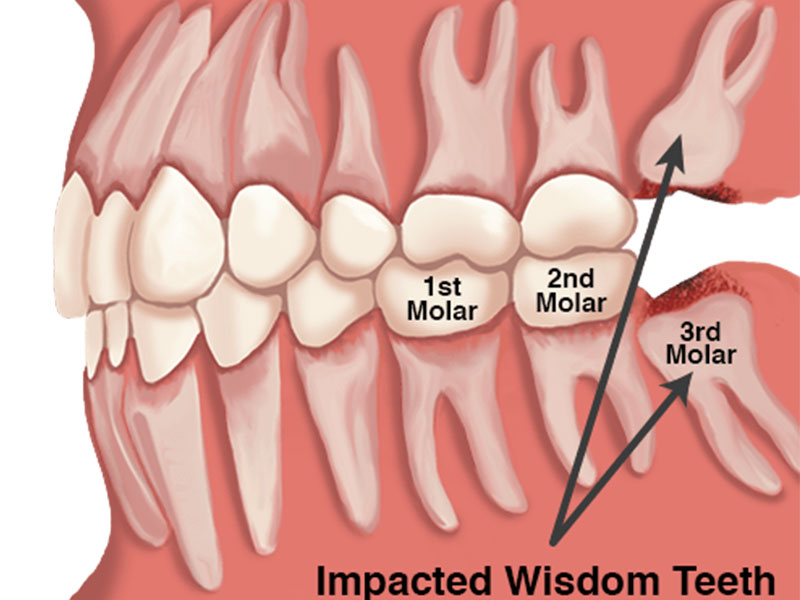
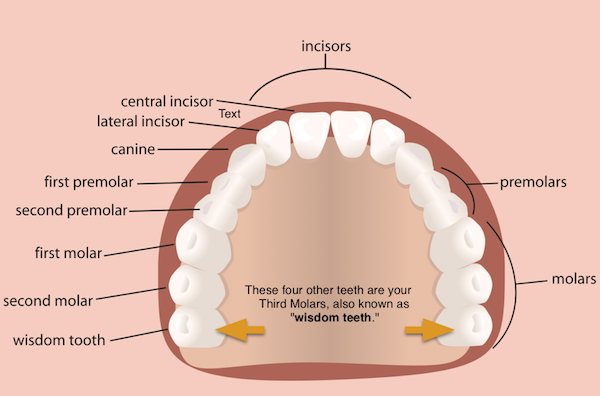
Wisdom teeth are the final set of adult molars to emerge, typically appearing between the late teenage years and the mid-twenties. They develop at the very back of the mouth, behind the second molars, and are also known as third molars.
They earned their name simply because they erupt later than other permanent teeth. Unfortunately, timing is not always kind. In many cases, these teeth do not have enough space to grow correctly, leading to partial eruption or complete impaction.
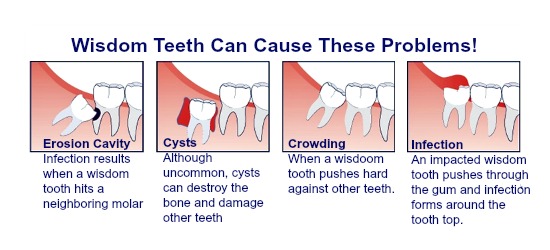
When wisdom teeth fail to erupt normally, they can contribute to infections, decay in neighboring teeth, and gum problems, which is why professional evaluation becomes important.
Overview
An erupted third molar grows normally into the mouth, while an impacted one remains trapped in the gum or jawbone. This difference matters more than people realize. For many individuals, these late-erupting teeth cause crowding, pain, or infection, which is why dentists often recommend removal as a preventive or corrective measure.
At Teeth & More in Safdarjung Enclave, Delhi, patients receive discreet, evidence-based care. This approach is especially valued by public figures and professionals who prioritize precision, privacy, and long-term oral health.
Why Do Humans Have Them?
Historically, wisdom teeth helped our ancestors chew tough, unprocessed foods like roots, raw vegetables, and hard meats. Over time, cooking methods and dietary habits changed, but human jaw size gradually became smaller.
As a result, many modern mouths simply do not have enough room to accommodate these extra molars. Today, dentists often consider wisdom teeth to be vestigial, meaning they no longer serve a necessary function for most people.
Where Are They Located and How Many Do We Have?
Most people develop up to four wisdom teeth, one in each quadrant of the mouth: upper left, upper right, lower left, and lower right. Some may have fewer, and some may have none at all. Both are completely normal variations.
These teeth usually resemble other molars in shape, although their roots can vary significantly in number and form, which sometimes makes removal more complex.
Common Problems Associated With Wisdom Teeth
When wisdom teeth do not erupt properly, they can lead to several oral health issues, including:
Tooth decay due to difficult cleaning access
Gum infections and inflammation
Pressure or damage to nearby teeth
Jaw discomfort or stiffness
Development of cysts in rare cases
Symptoms often include jaw pain, facial discomfort, swelling, or recurring soreness at the back of the mouth.
Should Wisdom Teeth Be Removed?
Removal is not mandatory in every case. If wisdom teeth erupt fully, align well, and remain easy to clean, they may not require intervention. However, when they cause pain, infection, or crowding, dentists usually recommend removal to prevent future complications.
Many people choose removal in their late teens or early twenties because healing tends to be faster and risks are lower. Once removed, these teeth do not grow back, and they do not need replacement since they play a minimal role in chewing efficiency.

Frequently Asked Questions (FAQ)
Is wisdom teeth removal painful?
With modern anesthesia and techniques, discomfort during the procedure is minimal. Post-procedure soreness is manageable and temporary.
At what age should wisdom teeth be evaluated?
Most dentists recommend evaluation during the late teenage years or early twenties, even if there are no symptoms.
How long does recovery take after removal?
Initial healing usually takes a few days, while complete recovery can take one to two weeks depending on complexity.
Why choose Teeth & More in Safdarjung Enclave, Delhi?
The clinic combines experienced dental professionals, advanced technology, and a discreet treatment environment trusted by high-profile patients.